

The Baby and Airplane Travel
The first flight with a plane alongside a baby comes with big emotions – and lots of questions. What documents are needed? How do you protect it from discomfort? What do you take in the hand luggage? If you prepare correctly, everything can go more smoothly than you think.
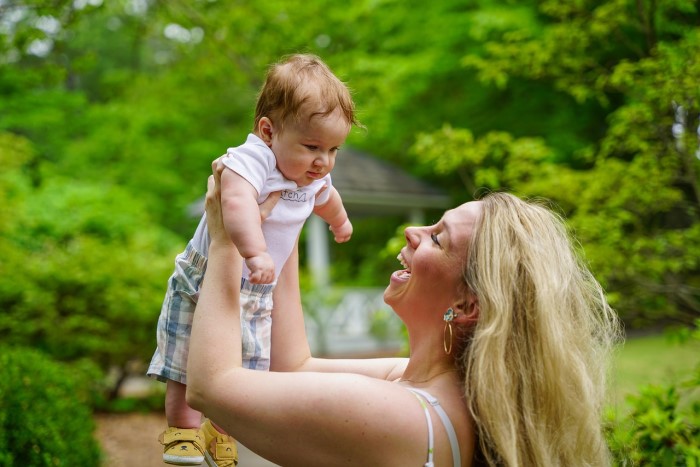
When can a baby fly?
Most airlines accept babies starting from 2 weeks of age, however many pediatricians recommend waiting at least until 6 weeks or even 2 months, depending on the child's health status. Before booking a ticket, discuss with your pediatrician, especially if the baby was premature or has respiratory problems.
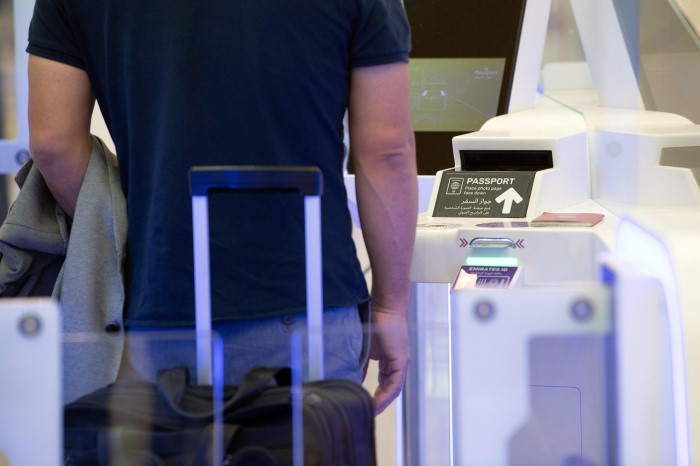
Necessary documents and seat in plane
For domestic travel, the baby needs a birth certificate or identity card (if available). For international travel – mandatory passport, regardless of age.
Passport and birth certificate are valid in case the child travels with both parents. If the minor is to travel with a single parent, the following documents are also required, as applicable:
A power of attorney by which the other parent gives consent for the minor's departure from the country;
Court judgment by which it is attested that they exercise alone the parental authority over the minor;
A death certificate of the other parent;
Court judgment by which it is proven that the other parent is deprived of rights.
Most flights allow children under 2 years old to travel in an adult's arms, but you also have the option to purchase a separate seat and bring an approved car seat for the plane. This can be safer and more comfortable, especially on long flights.
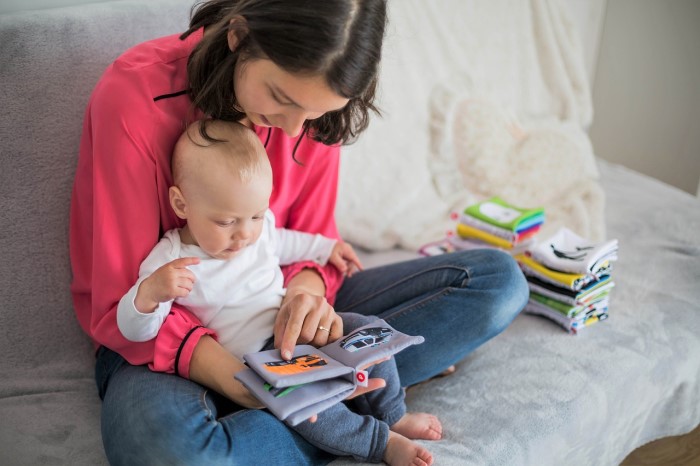
What do you put in the hand luggage?
Make a list and think about the flight duration and the baby's age. It shouldn't be missing:
blankets (one for each hour of travel)
moist wipes
exchanges of clothes for the child and at least a t-shirt for you
Baby blanket, favorite toy or comforter
Airplane blanket (may be cold in the plane)
Tastes, if the baby has started to diversify
water bottle for you – hydration matters and so does yours, especially if you're breastfeeding
ultra-compact stroller, foldable to the size of a handbag
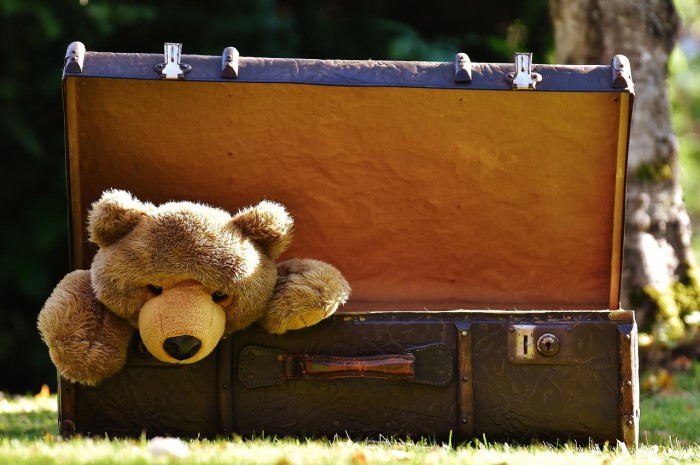
The stroller must be tagged at the check-in office or at the gate and can be pushed up to the aircraft door or up to the aircraft access stairs, following which it will be folded and stored in luggage.
Liquids for babies (milk, sterilized water, purees) are allowed at security check even if they exceed 100ml but will be scanned separately.
Ear popping and landing: how to manage ear pressure?
This is one of the most common sources of discomfort for babies. To prevent earaches, offer breast milk, a bottle or pacifier during takeoff and landing. Sucking helps balance pressure. If it's sleeping, don't wake it up; not all children feel discomfort in the same way.
About neighbors, noise and patience
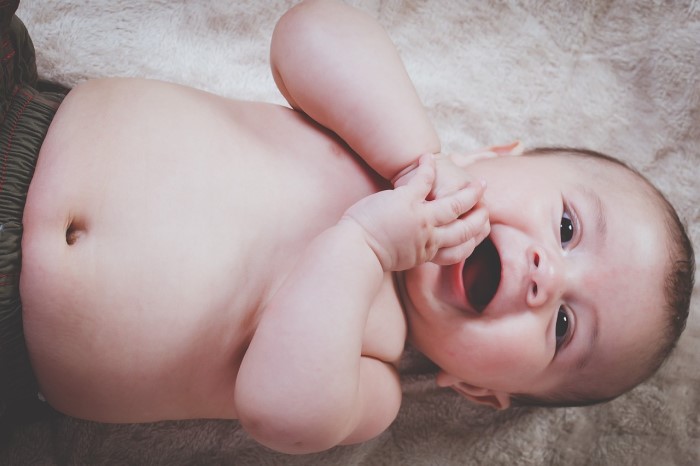
It's possible that the baby may cry. It is normal. Don't feel embarrassed – most passengers are understanding, especially when it comes to a very young child. Try to keep your calm, soothe him and have toys or soothing songs at hand.
Airlines for Babies
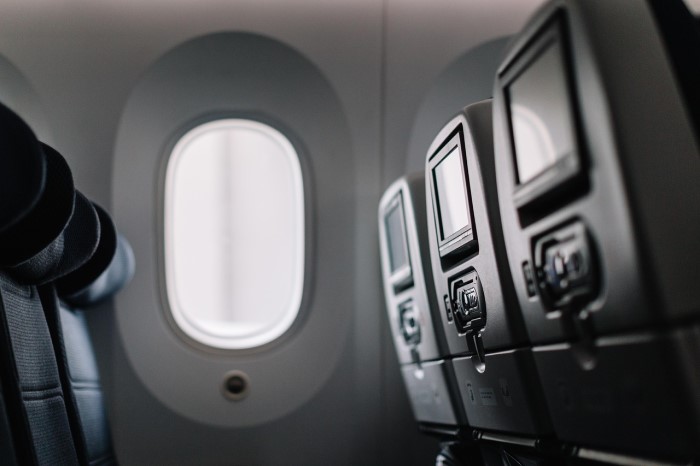
Check beforehand if the airline offers baby-friendly services: special seats, priority boarding, space to change the diaper. Some companies even offer baby kits or the possibility of transporting a free collapsible stroller up to the plane door.
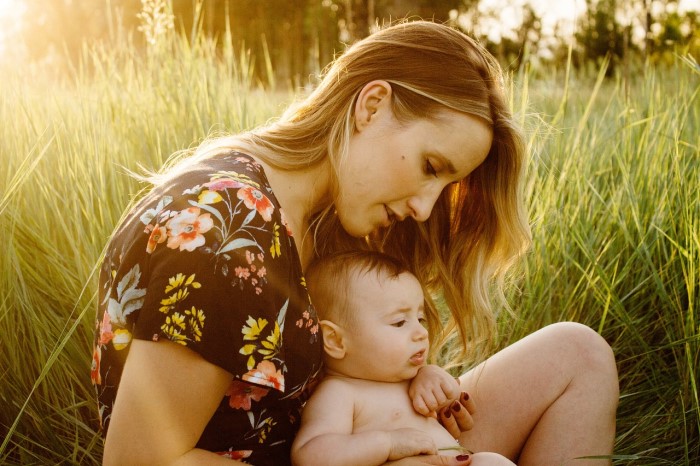
Flight with the baby should not be a source of stress. With careful preparation and a healthy dose of patience, it can become a beautiful and even entertaining experience. And every trip is a new opportunity for discovery both for him and for you.
We hope our blog is useful, but it's essential to note that articles are only starting points for discussions and contain general information only. They do not replace specialized recommendations, and we always encourage parents to contact a specialist if they are concerned.
If you like or find our articles useful, you can appreciate them with a share! The information might be helpful to other moms or dads. Thank you!