

Introducing solid foods into a baby's diet is an exciting moment for parents, but it can also come with challenges. We are not referring (only) to testing and refusal and sometimes the mess that comes with self-discovery, but especially the appearance of food allergies. These are reactions of the immune system that can affect the child's health and, if not properly managed, can become dangerous.
In this article, we will explore what happens in the body in case of food allergies in babies and how you can identify and prevent them. These are not medical advice, but general information that every parent should know. If there is any suspicion of an allergy, we strongly recommend consulting a pediatrician.
Allergiile alimentare?
Allergies to food occur when a child's immune system mistakenly identifies certain proteins in foods as harmful. Following this mistaken identification, the body reacts by releasing chemicals such as histamine, which causes the specific symptoms of an allergy.
What happens in a baby's body?
- The first contact with the allergen: At the first exposure to an allergenic food, the baby's immune system produces specific IgE (immunoglobulin E) antibodies for that food.
- Allergic reaction: In subsequent exposures, IgE antibodies recognize food proteins as "hazardous" and trigger the release of histamine and other substances that cause inflammation.
- Symptoms: Symptoms can vary from mild (skin eruptions, hives, stomach discomfort) to severe (breathing difficulties, anaphylaxis).
How to recognize food allergies in babies?
Allergic reactions can appear immediately or a few hours after consuming the allergenic food. Here's what you should look out for:
- Rashes or hives: Red, swollen patches that can cause itching.
- Gastrointestinal issues or diarrhea: The appearance of gastrointestinal problems immediately after meals.
- Breathing difficulties: Nasal congestion, cough or in severe cases, labored breathing.
- Swelling of the face, lips or tongue: These symptoms require immediate medical attention.
- Anaphylaxis: A severe reaction that puts life in danger, and which includes a drop in blood pressure, breathing difficulties and loss of consciousness.
What foods are most frequently implicated?
The most common foods that can cause allergies in babies include:
- Cow's milk
- Eggs
- Nuts and raisins
- The fish and sea fruits
- Oats
- Soybean
How can you prevent food allergies?
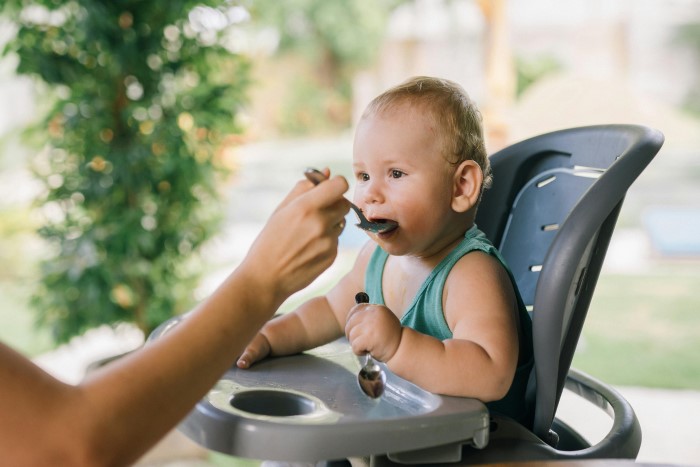
- Gradual Introduction of Foods: Offers new foods one at a time, with a 3-5 day break in between, to be able to identify any potential reactions.
- Consult the pediatrician: If there are family allergy histories, discuss with the doctor before introducing potentially allergenic foods.
- Avoid Processed Foods: Choose natural foods and avoid products containing additives or preservatives.
- Breastfeeding: When possible, exclusive breastfeeding in the first six months may reduce the risk of food allergies.
If you notice an allergic reaction, what should you do?
- Stop feeding the suspected food: Do not offer the food until consulting a doctor.
- Consult a doctor immediately: A specialist allergist may recommend additional tests for confirmation of the allergy.
- Treat severe reactions: In case of anaphylaxis, administer epinephrine if available and seek immediate medical help.
Allergies to food in babies can be efficiently managed if they are detected on time and treated accordingly. The responsible introduction of foods, careful monitoring of reactions, and regular consultation with a pediatrician are essential steps for your child's health and safety.
We hope our blog is useful, but it's essential to note that articles are only starting points for discussions and contain general information only. They do not replace specialized recommendations, and we always encourage parents to contact a specialist if they are concerned.
If you like or find our articles useful, you can appreciate them with a share! The information might be helpful to other moms or dads. Thank you!