

The first education received by babies is within the family, in the first years of life, when chances of acquisition are very high. But the education process is not always simple, especially when young children do not understand the usefulness of these rules, perhaps because they only want to play and discover the world.
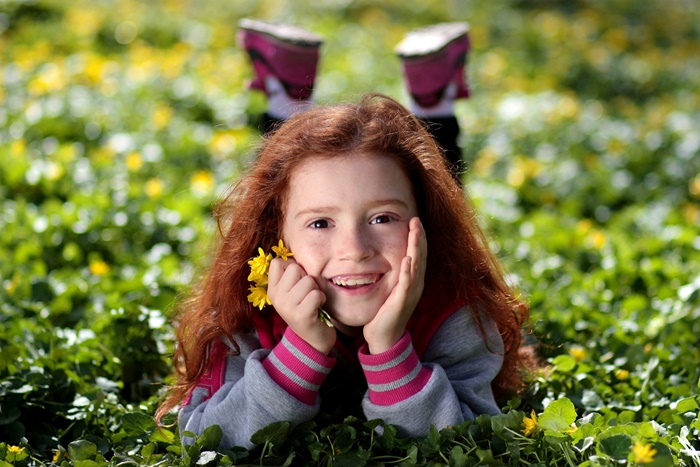
So, how do we teach children good manners?
- In the first place, we have to be a model for them! Children don't do what they're told, but what they see!
- We may seem to be restricting their freedom for the moment, but we assure you that we love and accept them. We create a warm and safe environment in which they don't feel attacked.
- We will use methods that do not involve punishment or any kind of aggression and we will not impose rules using the fear of repercussions, but with kindness and patience.
- We teach them empathy so they can understand what those around them feel, be able to put themselves in their place and thus know why certain things should not be done.
- We can try to teach them using books and stories that include characters placed in everyday situations where they behave politely and elegantly. Thus, they will have examples among their favorite characters.
The simplest and easiest rules of politeness are what?
- Hello is very important! The little one must understand that familiar people should be greeted. When it comes to strangers, the small one can make exceptions, in which case parents can show by example that there's no problem in giving "good morning" to new neighbors, distant relatives or kindergarten staff.
- A few rules in conversations - When asking for something, the little one says "te rog", and always says "mulțumesc" when receiving something. These two words are important at any age and create social interactions and relationships based on appreciation and gratitude.
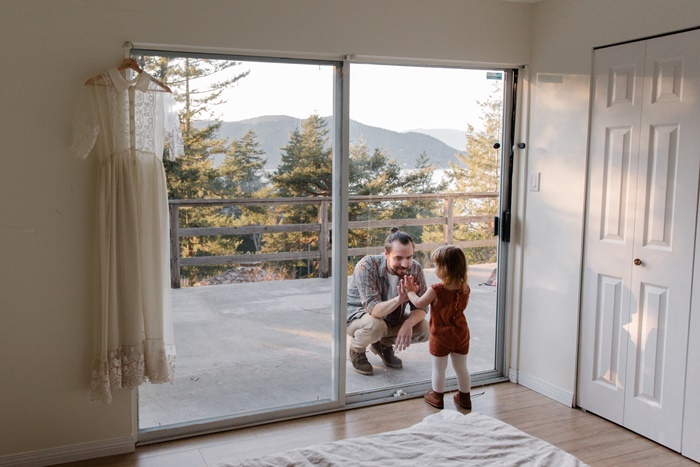
When speaking with someone, the baby will not stand with their back to the person. This is a more difficult aspect to implement, because young children play or are distracted and may not focus on the interlocutor throughout the conversation. However, the rule is important and will be discussed, even if implementation in the true sense of the word will occur later.
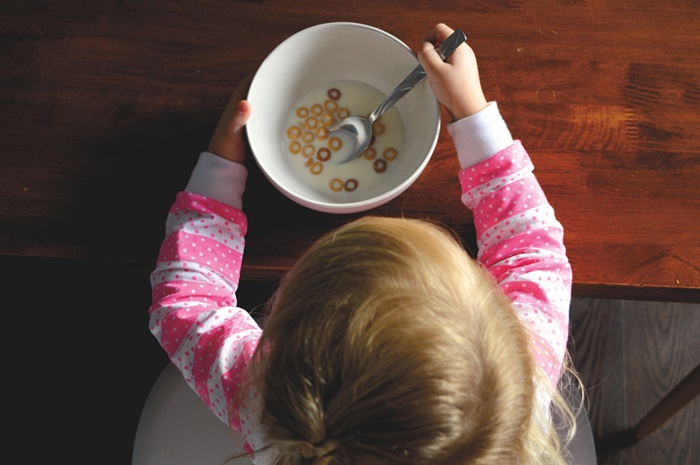
- At the table, the little one must be seated, not speak with a full mouth, not play with food, use utensils properly! It may seem like a whole series of rules, but these are learned very easily through the power of example. The toddler eats meals with at least one parent at least three times a day, so they have numerous opportunities to observe well-mannered and polite behavior.
- If they accidentally hit someone or bump into other people, the child will say "excuse me". Even if it's unintentional or painless, hitting needs to be made aware of and the little one should show that they're sorry and empathetic towards others.
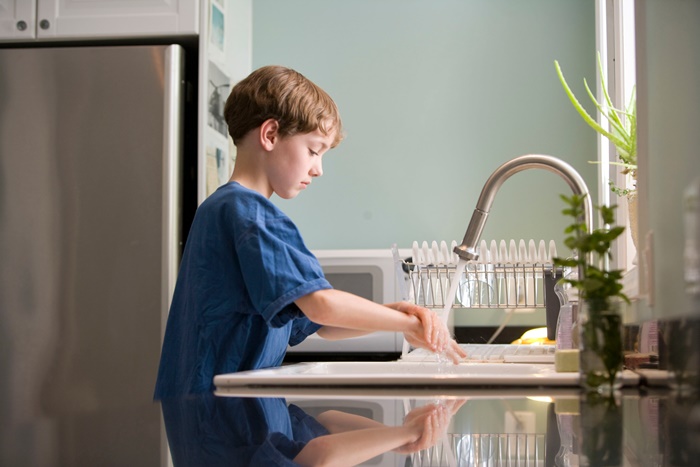
- Simple hygiene rules (these will be adapted as needed): the baby to put hand to mouth when sneezes or coughs, not to pick their nose or wear shoes in public, not to spit, to wash hands when arrives home etc.
These are just a few of the etiquette rules, but among the most important ones. They probably won't be learned immediately, however repetition and the power of example ensure a well-mannered behavior, with good sense, which will certainly be useful both in childhood and later on.