

During sleep, the baby's body produces growth hormone necessary for bone and muscle development. REM sleep, which predominates in the first months of life, is essential for forming neural connections, having a direct impact on memory and learning. Quality rest supports the immune system in fighting infections and diseases, protecting the health of small children.
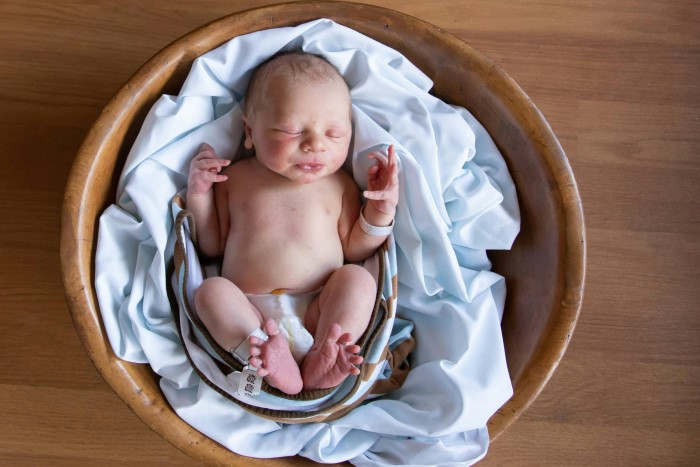
From myths to scientific discoveries, here are 10 things you may not have known about children's sleep:
Babies sleep more than they are awake in the first months. Newborns spend approximately 16-18 hours a day sleeping, sleep being essential for their growth and development.
Baby sleep cycles are much shorter than those of adults. A baby's sleep cycle lasts approximately 50 minutes, compared to 90 minutes for adults. This explains why they wake up more often.

Sleep contributes to brain development. During REM sleep, the baby's brain consolidates its neural connections, which helps with cognitive and emotional development.
Babies do not have a circadian rhythm at birth. Their biological clock is formed only around the age of 3-4 months, which is why their sleep is unpredictable at first.
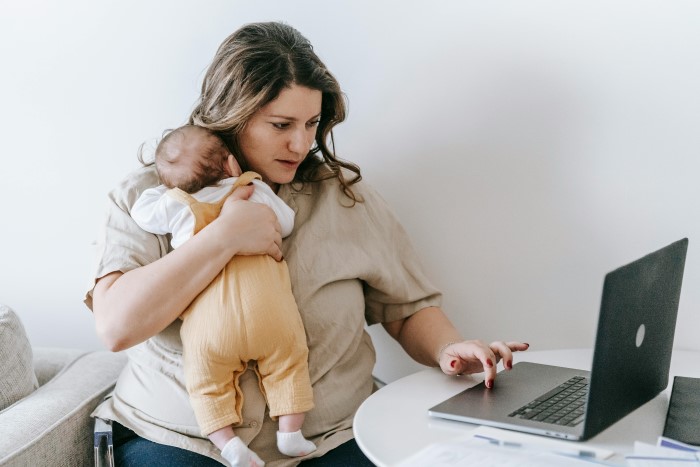
The white noise can be magical for their sleep. Constant sounds, such as those from a hair dryer or fan, remind them of the womb environment and provide comfort.
A too warm environment can affect sleep quality. Babies sleep better in a slightly cooler room, with a temperature between 18-22 °C.
Some reflexes may seem frightening, but they are normal. The Moro reflex, in which the baby hugs the air, is perfectly natural and disappears as their nervous system matures.
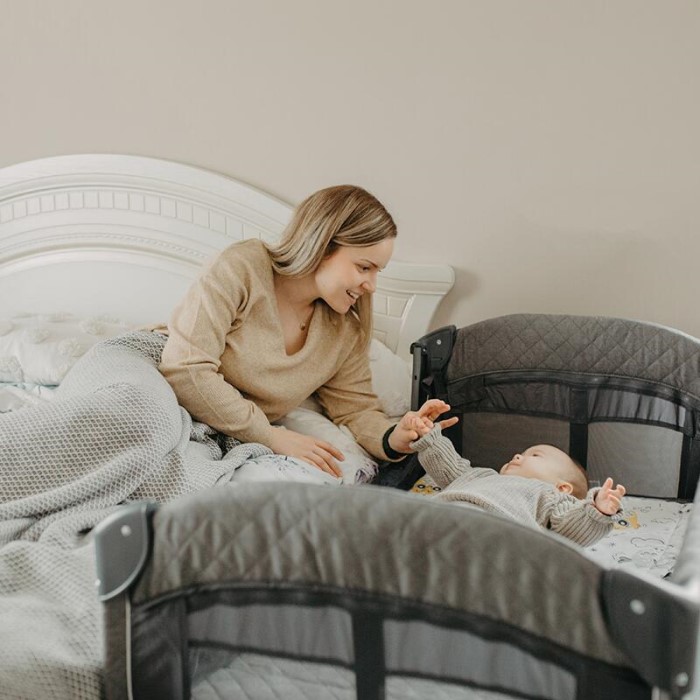
Sleeping on the back is the safest. Studies have shown that babies who sleep on their backs have a lower risk of developing Sudden Infant Death Syndrome (SIDS).
A bedtime routine can work wonders. Simple daily rituals like a warm bath or a story can signal to the baby that it's time for sleep.
Babies can have nightmares. Even though they're too small to remember events, they can have agitated dreams as part of their emotional development.
Remember that every baby is unique, and sleep habits can vary. With patience and love, you'll discover what works best for your little one!
We hope our blog is useful, but it's essential to note that articles are only starting points for discussions and contain general information only. They do not replace specialized recommendations, and we always encourage parents to contact a specialist if they are concerned.
If you like or find our articles useful, you can appreciate them with a share! The information might be helpful to other moms or dads. Thank you!